


 REVIEW: B.A. Pass
DOESN'T MAKE THE GRADE
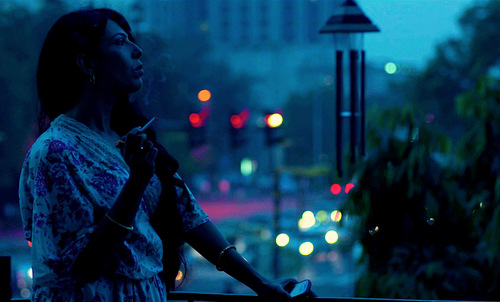
The neon lit signboards of Paharganj were first used in Anurag Kashyap’s to echo the protagonist's hollowness in Dev D and as markers to his progressive despair. Taking us through the squalid bars and dingy rooms occupied by painted faces it worked because it was original, and Kashyap knew how to measure it out without tipping over. Cinematographer-director Ajay Bahl trips on the latter count and after a point, lights flashing in the background for every other scene in the second half start burning holes in your head. Perhaps that was the desired effect––putting you in line with an innocent boy’s frantic slide into the murky world of prostitution and the tragedy it unleashes––but it doesn't work.
Mohan Sikka’s short story The Railway Aunty on which B.A. Pass is based, is vivid and unsettling. The possibility of translating it on screen must have been tantalising given its sensational, noirish theme. But Indian cinema hasn’t grown up yet and even in the hands of a mature filmmaker like Basu Bhattacharya the sex scenes in Aastha were laughable, mainly because of Om Puri’s squeamishness while being seduced by Rekha, who, by the way, plays his wife.
Bahl’s film suffers from a similar fate. In Sikka’s tale, Mukesh (Shadab Kamal) is a raw and vulnerable young man seduced by an older aunty (Shilpa Shukla) living in the same railway colony as his bua (Geeta Aggarwal Sharma). But debutant Kamal looks awkward rather than innocent, an impression he fails to revise till the end. Shukla, who is a reasonably good actress, falters in the steamy scenes and not for a moment do you believe that these two are doing anything real by way of seduction or submission.
Which, given the premise and the film's realist sensibility, isn’t a good thing to happen. Particularly because Bahl develops a wonderfully authentic ambience in the build-up to Mukesh’s first visit to Sarika’s house. The quiet scenes following his parents’ sudden death and the humiliation of being forced to move in with his reluctant aunt’s family in Delhi while his sisters are sent off to a destitute women’s hostel are moving because of their stillness.
His cousin’s taunts and bua’s indifference erode his soul and Mukesh is desperate to escape the stifling confines of that crammed dwelling while Sarika is just waiting to exploit him the minute he enters. Sikka spends time on registering Mukesh’s impressions of her as she removes her prayer necklace and pulls her kameez over her head before ordering him to unclasp her bra.
Bahl however eliminates the little details (which could have perhaps been done only through a stilted voiceover, unless the boy was the gawky teenager of last week’s horrendous Nasha and broke into a dream about being seduced by his teacher played by Poonam Pandey). There’s also the matter of censorship and acceptable norms of depicting coitus on screen, leading to embarrassing sequences that make you laugh not out of discomfort, but because it's all so inauthentic. (For seduction done right, watch Steven Soderbergh’s Behind The Candelabra, equally a tale of exploitation of a young man’s innocence and desperation by an old predator, but a humane story too).
One thinks it’s to do with the sub-par performances as much as the unimaginative construction of the central relationship. A theory strengthened by Rajesh Sharma’s presence as Sarika’s husband in a small but effective role because he knows how use body language and fleeting expressions to build character.
Mukesh’s only friend in the big bad city––breeder of greed and degradation and the film’s real villain––is an older man (Divyendu Bhattacharya) working in a graveyard while dreaming of escaping to Mauritius. And then there are the other women the boy visits, discussing TV serials and their insufferable husbands while using him for gratification.
In Sarika, Hindi cinema has a rare guiltless temptress who remains unapologetic about her choices till the end and is brazen enough not to baulk even when caught red-handed by her husband. If Shukla had managed to infuse this character with real mettle it would have been a singular achievement.
As it is though, B.A. Pass may lure the depraved hordes that flock to the cinemas for their weekly dose of pleasure. But if you’re looking for value, read Sikka’s story instead.


Comments