


 NOSTALGIA: Duniya Na Mane (1937)
BEACON OF PROGRESS
V. Shantaram's Duniya Na Mane was released in 1937 when the status of Indian women was very low. Watching the film again gives the viewer a bit of a shock because not much seems to have changed since then. But for the fact the film is in black and white and has actors belonging to another age, the film could well have been made in 2000.
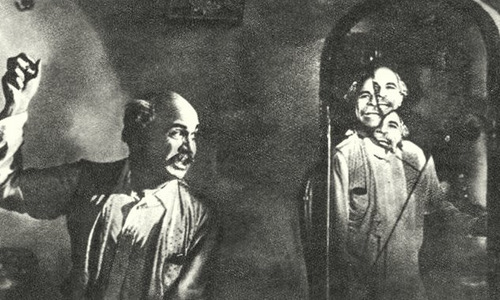
Produced by the legendary Prabhat Film Company and directed by V Shantaram from a story by N.H. Apte, Duniya Na Mane harks back to the era when filmmakers wanted to make socially relevant films -- there were enough issues to tackle then as there are today-- and audiences wanted to see them.
Nirmala (Shanta Apte) is an orphan brought up by her uncle and aunt, who are in such a hurry to get her off their hands that they get her married to an old man for money.
Nirmala believes she is marrying a young man and sees her aged husband's face for the first time during the wedding ceremony. At the time Duniya Na Mane was made, films were usually about weepy, helpless, submissive women who revelled in suffering and were deified for their masochism. Another woman in her place would have bowed her head, accepted her fate and striven to be a good wife. Nirmala is a rebel, and refuses to accept Vakilsaheb (Keshavrao Date) as her husband.
But there is also a grown-up son who thinks nothing of casting a roving eye on his young stepmother; and the shrewish aunt whose orthodox ideas make Nirmala's life harder. The only support comes from Susheela, her husband's educated, progressive daughter from his previous marriage.
Her defiant stand against her husband puts him in a fix as he gets mocked for marrying an unwilling young woman. He can't win her over either by force or reason, since she refuses to submit to injustice.
Eventually, her husband sees the error of his ways and decides to free Nirmala from this unjust marriage. Since divorce was unheard of in those days, and only a widow could wipe out the 'kanku' from her forehead, Vakilsaheb wipes off the vermilion mark of marriage, leaves home and commits suicide. In a letter to her before leaving home, he apologises to Nirmala and advises her to remarry. Of course, in the Indian context that is no solution, since a widow's life is worse than that of an unhappily married woman. Widow remarriage was not possible then, so Nirmala's is a Pyrhhic victory.
Duniya Na Mane (and its Marathi version Kunku) were made with the passion and sensitivity that was a hallmark of Shantaram's early films. His style and sensibility were ahead of the times. He took up issues like communalism in Padosi,dowry in Dahej, prostitution in Aadmi, prison reform in Do Ankhen Barah Haath, national integration in Teen Batti Char Rasta to name a few.
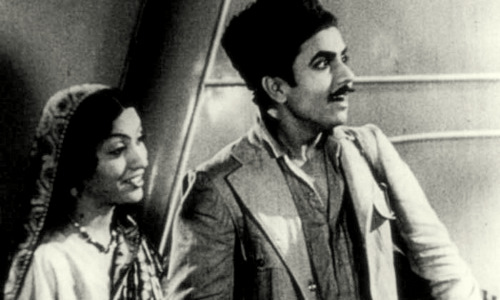
It is also a sign of the director's maturity that he does not see the characters in black and white terms. The old man is not a villain, but just someone who fails to question inequitable social norms, since they don't affect him. When it is pointed out to him by the spirited Nirmala, he responds in the way he knows best. The humane and sympathetic side of him was also buried by patriarchal system that allowed him the right to ruin a young woman's life. Had Nirmala accepted her lot, he would not even have realized his mistake.
Actress Shanta Apte was perfectly cast as Nirmala, since she was also known to be a firebrand in real life. The incident of her beating up a gossip journalist is part of movielore. Whenever films about strong women and important issue are listed,


DG, don't think this film could have been made in 2000. Where do we see such unapologetically fiery women on screen anymore?
Posted by: Deepa Deosthalee | Apr 19, 2012 at 17:08