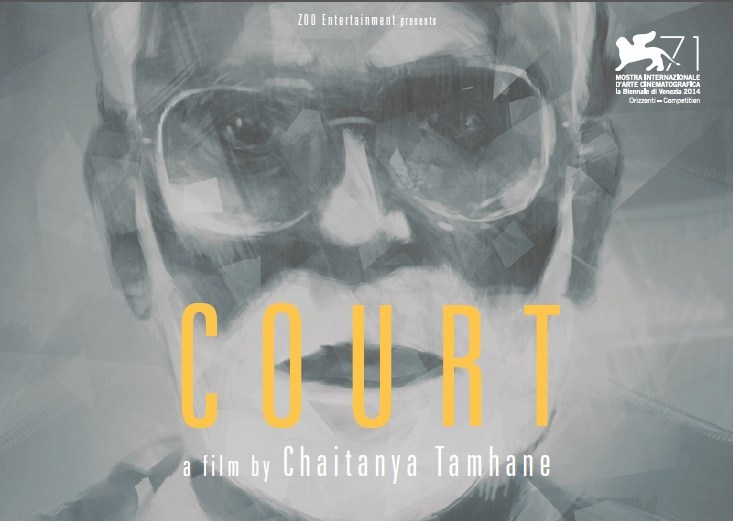
A Day in #Court
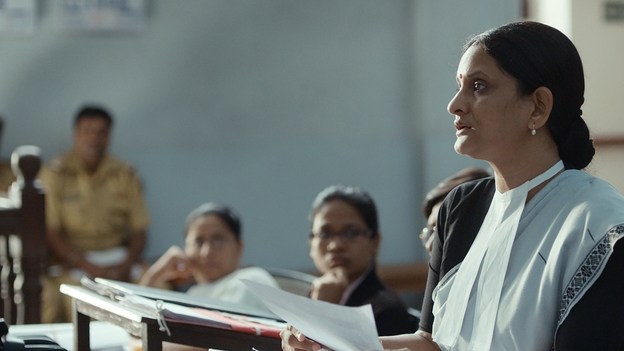
A subversion of the classic courtroom drama, Chaitanya Tamhane's Court was inspired by real Mumbai trials. “When I attended a nondescript lower court in suburban Mumbai, the sheer lack of drama, and the casualness with which life and death decisions were being made, was what sparked my imagination."
REVIEWS
 Venice Film Review: 'Court'There are courtroom dramas, and then there's "Court," Chaitanya Tamhane's impressive debut, which flays alive India's justice system while commenting on class, education and access to power. Managing to be both extremely rational and extremely humane, the film works so well thanks to an intelligent, superbly understated script and a feel for naturalism that extends beyond mere performance.
"There are courtroom dramas, and then there’s “Court,” Chaitanya Tamhane’s impressive debut, which flays alive India’s justice system while commenting on class, education and access to power. Managing to be both extremely rational and extremely humane, the film works so well thanks to an intelligent, superbly understated script and a feel for naturalism that extends beyond mere performance. Tamhane’s judicious entry into lives outside the courtroom provides texture and depth, making this well-rounded depiction of a dysfunctional judiciary an engrossing piece of cinema. Possibly too cerebral for the “Lunchbox” crowd, “Court” could use fest exposure to propel itself onto specialty screens."
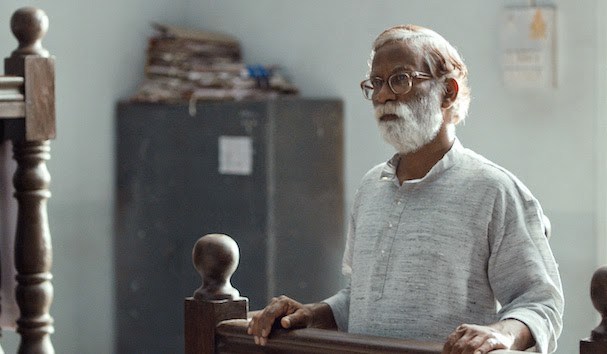
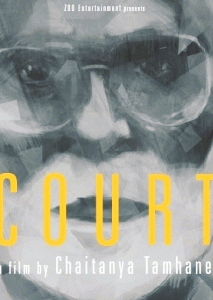 Venice 2014: 'Court' reviewShowing in Venice's Orizzonti sidebar, Chaitanya Tamhane's quietly brilliant Court (2014) takes an individual court case and, through following its laborious labyrinthine process, creates a damning j'accuse of wider Indian society. Narayan Kambal (Vira Sathidar) is the defendant. In the first s
- "The searing language of the song we hear Narayan sing is silenced by dry legal formulas given in Hindi, English and Marathi, as his life is ebbing away in a series of dates and endless deferral. The court is no longer a place where truth is discovered, but rather a form of punishment in itself. Although Tamhane's film recalls Franz Kafka in its nightmarish vision of inhumane bureaucracy, Court is neither faceless nor surreal. Rather, the absurdity and numbness are all too human and as such even more frightening."
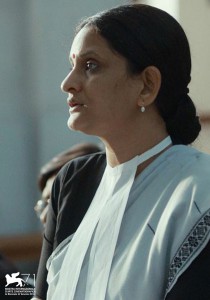 Ho visto "Court" di Chaitanya Tamhane (Venezia 71)Bel film di un giovane cineasta indiano sul sistema giudiziario del suo Paese e più in generale sullo scontro tuttora in atto tra modernità e conservazione delle tradizioni più arcaiche.
- Translated Excerpt: "Nice movie on the judicial system of his country, and more generally on the clash between modernity and still ongoing preservation of archaic traditions. Chaitanya Tamhane, born in 1987, is the author of this beautiful film, very rigorous, well-photographed, set in Mumbai. Perhaps one of the best things seen in the Horizons section of 71 Mostra del Cinema di Venezia."
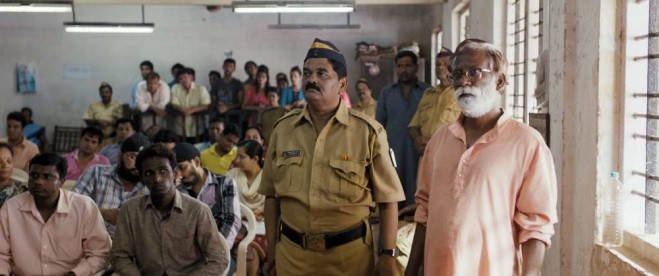 Court di Chaitanya Tamhane - Venezia 71, Orizzonti | Indie-eye - CinemaJalil Lespert dirige alcuni episodi della serie "Versailles" Jalil Lespert coinvolto nel serial televisivo "Versailles" per il... Martin Kemp in Age of Kill di Neil Jones e Tom Hardy nella parte dei fratelli Krays Matin Kemp, l'ex Spandau Ballet che interpretò uno dei...
- Translated excerpt: "Court uses a narrative premise aimed at something else: the construction of an ensemble film that unravels from a common nodal point, in which the courtroom is an extremely bureaucratic apparatus and makes unforgiving decisions on the lives of others. This is justice, cynical and ruthless. A film in which, ultimately, all seem to be victims and perpetrators. Justice remains, always, an utopian ideal."
- Venezia 2014. CourtCourt **1/2 Il cadavere di un lavoratore della rete fognaria viene trovato sotto un tombino a Mumbai. Un vecchio cantastorie popolare viene processato con l'accusa di istigazione al suicidio per aver cantato una canzone che potrebbe aver incitato il lavoratore a commettere l'atto. Mentre il processo va avanti, le vite private, al di fuori degli...
- Translated Excerpt: "The ambiguity of the film is its strength. The portrait of environment is sincere and solid, leaving behind the outrage, for a tone often surreal and alienating."
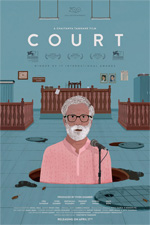 Court (2014)A Bombay un anziano cantautore impegnato su tematiche politiche viene arrestato. L'accusa è istigazione al suicidio. Un addetto alle fognature è stato trovato morto dopo che pochi giorni prima il cantante si era esibito nel corso di una manifestazione politica con una canzone in cui si invitavano gli operai delle fognature a suicidarsi.
- Translated Excerpt: "Tamhane reminds us we are in a subculture of Bombay very definitely but leaves the impression that the viewer is placed in a wider dimension. That is, we are informed about how the justice in India is, but we are also encouraged to ask ourselves whether in our country things are that much better in terms of respecting the rights of people"
- "Court" di Chaitanya TamhaneVenezia 71. Orizzonti Il primo lungometraggio del giovane regista indiano Chaitanya Tamhane, classe 1987, usa il pretesto di un processo ordinario, e per certi versi inverosimile, come una finestra sulla società indiana contemporanea.
Translated Excerpt: "The screenplay, written by Tamhane, is focused, but the search for objectivity results in exhausting visuals, weighed down by a rhythm that is absent, and turns what could be an important work to a test of strength for the viewer. Court is the evidence that Tamhane has much to tell, though he is still looking for the best way to tell the tale."
FESTIVAL
 So proud of my new friend young director #ChaitanyaTamhane for his movie #Court..A bright future is waiting for you !!!!
 Congratulations #ChaitanyaTamhane for the awards for #Court at Venice! Well deserved! This Mumbai film shld now release ASAP in Mumbai!